ArticlesMake Charcoal Fuel (Pit Method)

Make Charcoal Fuel (Pit Method)
Tech Level 1
Last edited · 92a9d6f · tewelde
charcoalwoodfireheatsmelting
Summary
Charcoal is wood that has been heated with limited oxygen. It burns hotter and cleaner than raw wood, which makes it a core fuel for early metalwork.
This article describes a simple pit method that can be done with Level 0 tools.
Terms used in this article
- Charring — heating wood with too little air to burn fully, so instead of turning to ash it turns into black, carbon-rich charcoal. Charred wood keeps its shape; ash is grey powder and is a failure here.
- Volatiles — the water, sap, and wood gases that cook out of the wood as smoke during charring. When they are gone, the smoke thins and the charcoal is ready.
- Yield — how much usable charcoal you get from the wood you put in.
Prerequisites
- Fire source: Make Fire (Hand Drill)
Diagram
Materials
- Dry wood (thumb-thick to wrist-thick pieces work well)
- Bare soil area
- Optional: green leaves/grass to limit oxygen when covering
- Dirt/sand for sealing
- Sticks for handling hot material
Steps
1) Prepare a charcoal pit
- Dig a shallow pit about 1 to 2 handspans deep and several handspans wide.
- Keep loose soil nearby for covering.
- Choose a wind-sheltered location away from dry grass.
2) Stack wood tightly
- Place larger pieces at the bottom.
- Fill gaps with smaller pieces so the pile is dense.
- Leave a small top area where you can start the fire.
Dense stacking reduces extra oxygen pockets and improves yield.
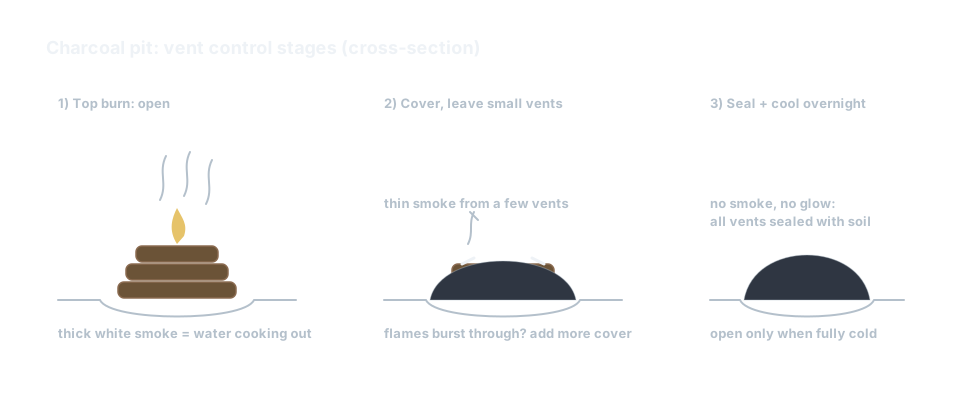
3) Start a top burn
- Light tinder/kindling at the top.
- Allow the upper layer to burn strongly until lower pieces begin charring.
- Watch smoke and flame: at first smoke is thick and white.
4) Limit oxygen and continue charring
- Partly cover the pile with thin soil (or leaves first, then soil), leaving a few small vents.
- Keep a slow, controlled burn by opening/closing vents as needed.
- If flames burst through many places, add more cover.
Goal: wood should char, not burn to ash.
5) Finish and cool
- When smoke thins and turns lighter blue, most volatiles are gone.
- Seal all vents with soil.
- Let the pit cool fully (often overnight).
- Open and collect charcoal. Keep it dry.
Do not open while hot with oxygen present, or charcoal can ignite again.
Verification
Good charcoal pieces are:
- Black all the way through (not brown wood core)
- Light for their size
- Crisp/brittle with a ringing snap
- Burning hot with little flame and less smoke than raw wood
Quick field check, piece by piece, when sorting a batch:
- Snap it: a crisp break with a sharp "clink" = done; bends, tears, or breaks dully = raw.
- Look at the broken face: black to the center = done; brown core = under-charred — set aside to re-char with the next batch.
- Heft it: surprisingly light = done; heavy = wet or still wood inside.
- Rub it: good charcoal leaves a clean black drawing mark on stone or skin.
Storage
- Store charcoal dry: off the ground on a bark platform or flat stones, covered with bark slabs against rain. A bark-lined, bark-covered pit also works — recheck it after storms.
- Damp charcoal lights poorly and steals furnace heat. If a batch gets wet, dry the pieces beside a fire before any smelting work.
- Keep the store away from spark-throwing fires; charcoal lights eagerly.
Safety
- Charcoal making can spread fire through roots and dry litter. Clear down to bare soil.
- Carbon monoxide is dangerous. Never do this in enclosed spaces.
- Hot charcoal can look “dead” but reignite with air.
Troubleshooting
- Mostly ash, low yield: too much oxygen; cover earlier and seal better.
- Brown wood inside pieces: under-charred; extend burn time before final seal.
- Pile keeps flaming after cover: vents too large or cover too thin.
Variants
- Mound method: stack wood above ground and cover with soil/turf.
- Small-batch clamp: for tiny amounts, char wood in a tightly covered clay vessel with a vent (vessel: Fire a Clay Pinch Pot (First Pottery)).